Willesden Green man and van for narrow streets: a practical local guide
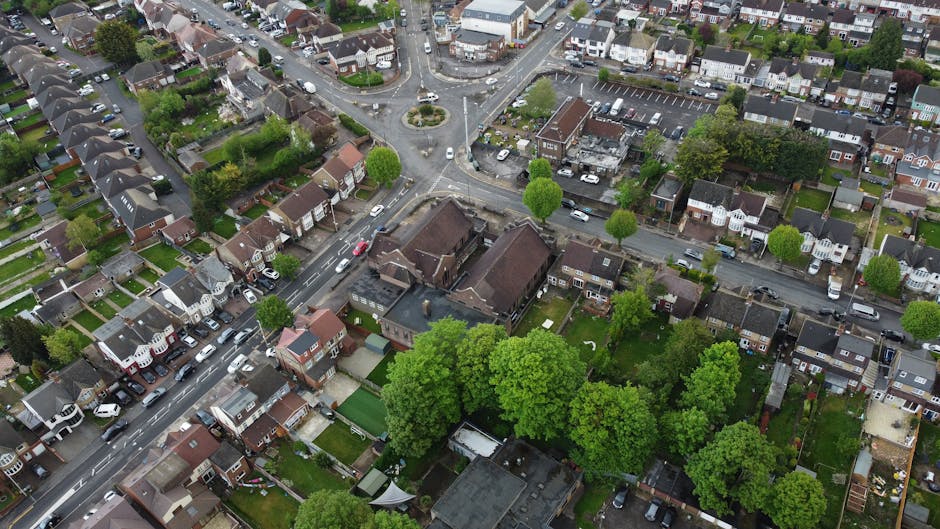
If you are moving in Willesden Green, chances are the street outside your front door is not exactly built for convenience. Parked cars, tight corners, low patience from passing traffic, and those awkward Victorian terraces can turn a simple move into a bit of a puzzle. That is where a Willesden Green man and van for narrow streets becomes genuinely useful: smaller vehicles, careful planning, and a team that understands how to work with real-world access issues rather than against them.
This guide walks through how narrow-street moves actually work, what to check before moving day, where people usually go wrong, and how to make the whole thing smoother. If you live in a flat, a conversion, or a house with limited frontage, you will find plenty here that is practical rather than theoretical. No fluff. Just the stuff that saves time, reduces stress, and helps avoid that awkward moment when a van simply cannot fit where you hoped it would.
Why Willesden Green man and van for narrow streets Matters
Narrow streets change everything. In Willesden Green, access can be the difference between a quick loading job and a long, awkward shuffle back and forth from the van to the property. It is not just about vehicle size, either. A good move on a tight road depends on timing, parking awareness, carrying distance, stair access, and the ability to stay calm when the street is already busy by 8:30 in the morning.
Let's face it, plenty of moves look straightforward until the van arrives. Then you notice the bins left out, the line of parked cars, the steep kerb, or the neighbour's car blocking the only sensible stopping point. A local-focused man and van service is valuable because it can adapt quickly. Smaller vehicles are easier to position, quicker to unload, and more realistic for the kind of residential streets common around this part of London.
Narrow access also matters for protection. When a driver cannot park close to the front door, the chances of bumping furniture on a long carry increase. Time stretches. Fatigue rises. Small mistakes become expensive mistakes. That is why a move planned for narrow streets should be treated as a logistics task, not just a lift-and-shift job.
There is another side to it too. Residents often worry about blocking traffic, causing a scene, or holding up neighbours. A careful plan helps keep everyone onside. In a place like Willesden Green, where roads can feel busy from early on, a tidy, respectful move earns its place. Quietly. Efficiently. No drama.
How Willesden Green man and van for narrow streets Works
The practical idea is simple: use a vehicle and crew that can operate sensibly in restricted access conditions. In reality, the process starts before the van even turns the key. You share details about your property, the street layout, any stairs or lifts, and what needs moving. Then the route, timing, vehicle choice, and loading plan are shaped around that access.
For many local jobs, the best approach is a smaller removal van rather than a larger lorry. That is especially useful on streets where parking is tight or turning space is limited. If there are multiple stops, a compact load plan can also help keep items secure and reduce unnecessary shuffling. A slightly smaller vehicle is sometimes the smarter choice. Not glamorous, but effective.
A solid service will usually ask questions such as:
- Can a van stop outside the property, even briefly?
- Is there a single staircase or multiple flights?
- Are there long carries from the road to the door?
- Will bulky items need disassembly?
- Are there timing restrictions, school runs, or peak-hour pressures nearby?
Once those details are clear, the mover can decide whether a removal van, a smaller team, or a staggered loading approach will work best. For some jobs, a same-day slot is enough. For others, especially if access is awkward and there are several large items, a little more planning saves a lot of grief.
The actual move usually follows a simple rhythm: arrive, assess, protect doorways and fragile pieces, load strategically, then leave the street as cleanly as possible. Simple in theory. A bit fiddly in practice. That is the point.
Key Benefits and Practical Advantages
There are real benefits to choosing the right moving setup for narrow streets. The obvious one is access, but the useful advantages go a bit deeper than that.
- Better access to tight roads: Smaller vans are easier to position where larger vehicles would struggle or block traffic.
- Less carrying distance: When the van can get closer, furniture and boxes spend less time in transit by hand.
- Lower risk of damage: Fewer awkward turns, fewer doorframe grazes, fewer opportunities for scuffed walls and scraped tables.
- Quicker loading and unloading: Time matters when parking is limited or the road is shared with delivery traffic.
- More flexible timing: Smaller, nimble vehicles can sometimes fit into the day better than a larger rigid plan.
Another underrated benefit is peace of mind. If you know the vehicle can actually get close to your property, the whole day feels less tense. You are not standing at the window thinking, "Where on earth will they park?" That sounds small, but on moving day it matters. A lot.
For people moving from flats or converted properties, the same logic applies. In those cases, a local flat removals service can be paired with the right vehicle and loading sequence so furniture can travel safely through tighter entrances and stairwells.
And if the move involves a wider household relocation, the benefits extend to the planning stage too. Good access planning reduces the chance of delays cascading through the rest of the day. Once you have moved one awkward sofa, you do not really want to do the dance again because the route was badly judged.
Who This Is For and When It Makes Sense
This kind of service is especially useful if you live or work in one of these situations:
- a terraced street with limited parking
- a converted flat with a narrow stairwell
- a property on a road where larger vans would block traffic
- a short-notice move with just a few bulky items
- a student move with boxes, luggage, and maybe one or two awkward pieces of furniture
- a small office or studio relocation where access is awkward but volume is modest
It also makes sense if you are moving a mix of items rather than an entire house. A bed, a desk, a few boxes, a wardrobe, and a bike? That is classic man and van territory. If you are only moving a few things, booking a huge vehicle can feel like bringing a canal boat to a garden path.
Students in particular often find this useful because the move is time-sensitive, the budget is usually tight, and access is rarely ideal. A student removals option can be a good fit when you need sensible help without overcommitting to a larger service than necessary.
It is also a smart solution for people who have already boxed most things and just want reliable transport plus loading help. Truth be told, that is how many local moves happen. Real life is not always a full-house relocation. Sometimes it is just a van, a couple of careful hands, and a staircase that seems to go on forever.
Step-by-Step Guidance
If you want the move to run smoothly, a little structure goes a long way. Here is the sequence that tends to work best.
- Measure access first. Check the width of the road, the height of any overhanging trees, and whether there is room for a van to pause without causing a bottleneck.
- List the heavy or awkward items. Sofas, wardrobes, mattresses, glass tables, and appliances all need extra thought.
- Share honest details. If there are two narrow turns, a low ceiling, or a steep basement stair, say so. The mover needs the real picture, not the optimistic version.
- Protect fragile furniture in advance. Use covers, blankets, and proper packing materials. It is always easier to prep before the clock starts ticking.
- Choose the right loading order. Heavy items should go in first, with lighter boxes and delicate pieces secured around them.
- Keep the entry point clear. Shoes, plants, bins, and random hallway clutter have a habit of getting in the way just when you do not need them.
- Review parking and timing. If possible, pick a calmer time of day when street access is less hectic.
For bigger home moves, it can help to combine moving help with a broader service such as home moves or house removals, especially if the access issue is only one part of a larger relocation. That gives you a more joined-up approach rather than a patchwork of different arrangements.
A useful habit: do a final walk-through before the crew arrives. Open doors. Check the stairwell. Look for anything that could catch, wobble, or snag. It sounds a bit obvious, yet it saves more time than people think.
Expert Tips for Better Results
In our experience, narrow-street moves go best when you treat them like a small project with a few smart adjustments, not a standard move squeezed into a bad location.
1. Prioritise the route from door to van.
People often focus on the street itself, but the internal route matters just as much. A hallway with sharp corners can be harder to manage than the road outside.
2. Break down furniture early.
Disassembled furniture is easier to carry through tight spaces and less likely to catch on banisters. If you have a dining table or bed frame, loosen the screws the day before. Not at 6:45 on moving morning, if you can help it.
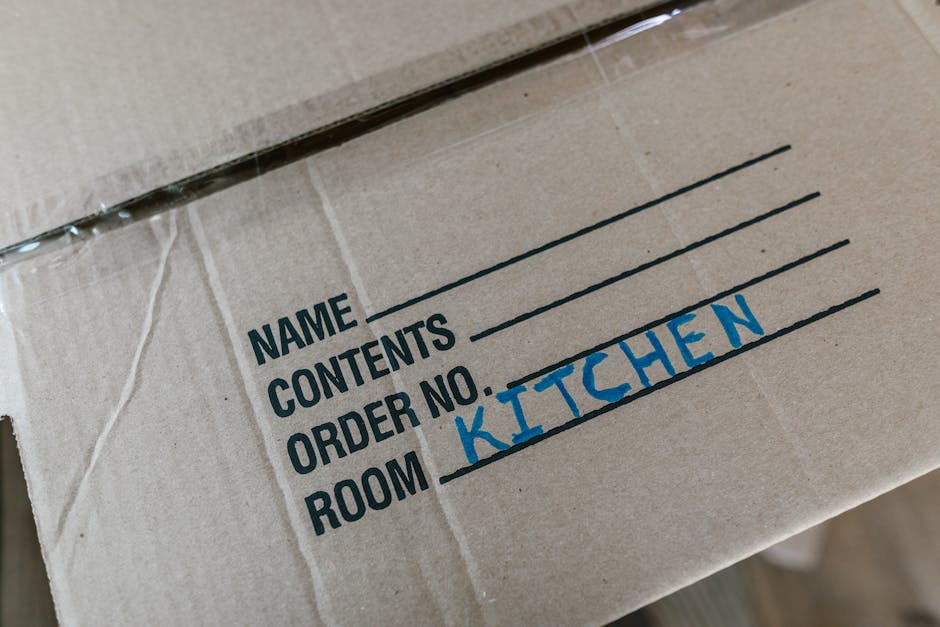
3. Use consistent labelling.
Mark boxes by room and priority. On a narrow street, time is precious. Clear labels help the loading and unloading happen with fewer second guesses.
4. Avoid overstuffing boxes.
Heavy boxes are miserable on stairs. Better to split weight across two boxes than to create one box that feels like it contains bricks. Your back will thank you later.
5. Keep a small essentials bag with you.
Phone charger, keys, ID, water, medication, basic paperwork, kettle stuff if you are feeling ambitious. Little things. Big difference.
6. Ask about insurance and handling standards.
For awkward access, you want to know items are being handled carefully and that the mover is set up to reduce risk. It is sensible, not fussy.
If your move includes specialist items, the planning becomes even more important. For example, a piano on a narrow stairway is not a "we'll see when we get there" job. A dedicated piano removals service makes a lot more sense.
And if you have a busy household with lots of loose items, consider professional help with packing and boxes so your goods are ready in a format that suits a tight-access move.
Common Mistakes to Avoid
Most narrow-street moving problems are avoidable. That is the frustrating part. Here are the big ones.
- Guessing the access is fine. A van that fits "probably" is not good enough when the street is tight and traffic is active.
- Leaving parking to chance. If you assume there will be a perfect space outside, you may end up carrying everything farther than planned.
- Underestimating staircases. A narrow staircase can take more time and care than the road itself.
- Forgetting bulky items. Sofas, mattresses, wardrobes, and white goods need special handling and enough room to turn.
- Packing badly. Loose lids, weak boxes, and overfilled bags are annoying on any move, but especially bad on stairs.
- Not checking timing restrictions. School runs, rush hour, or local parking pressure can make a simple stop much harder.
One more thing: do not leave everything until the last minute and then act surprised when the move feels chaotic. We have all seen that film before. It does not end well.
If your move is more commercial than domestic, the same lesson applies. Access planning matters just as much for commercial moves and office relocation work, where productivity can be lost fast if the building entrance or street access has not been thought through.
Tools, Resources and Recommendations
You do not need fancy kit, but the right basics make a surprising difference. For a narrow-street move, the most useful tools are often the simplest ones.
| Item | Why it helps | Practical note |
|---|---|---|
| Furniture blankets | Protects corners, wood, and painted surfaces | Especially useful in tight hallways and stairwells |
| Strong tape and labels | Keeps boxes organised | Mark priority items clearly |
| Ratchet straps or load restraints | Stops movement in transit | Helpful when the van is packed closely |
| Dolly or sack truck | Reduces lifting on heavier items | Only where surface and stair access allow |
| Toolkit for disassembly | Speeds up bed and furniture breakdown | Keep screws in labelled bags |
For larger homes or longer gaps between move-out and move-in dates, short-term storage can be very helpful. It takes pressure off the schedule and prevents the dreaded "where does this go for now?" pile growing in the living room.
It is also wise to understand service scope before booking. A good mover should be clear about what is included, how items are protected, and what happens if access turns out to be trickier than expected. If you like reading the fine print before anything else, you may also want to look at terms and conditions and the insurance and safety information.
That might sound slightly dull. It is. But it is the kind of dull that protects your sofa.
Law, Compliance, Standards, or Best Practice
For a local removals job, compliance is mostly about safe, sensible working practices rather than anything dramatic. In the UK, road use, loading, parking, and property access all need to be managed responsibly. If a van is stopping on a narrow road, the driver should avoid creating unnecessary obstruction or risk to pedestrians and other vehicles.
Best practice usually includes:
- clear communication about access constraints before the move
- careful lifting to reduce the risk of injury
- protective wrapping for vulnerable items and surfaces
- respect for neighbours, shared entrances, and common areas
- appropriate insurance cover and transparent handling procedures
It is also sensible to check that the provider has a clear approach to health and safety. A narrow street can make one careless lift or one rushed corner turn a lot more risky than it looks on paper. If you are comparing providers, a reputable removal companies page or company information should give you a feel for how seriously they take these basics.
For business users, there is often added pressure because disruption affects staff and customers. That is why office removals and office relocation services should be planned with access and timing in mind, not just volume.
Nothing here is complicated, but it does need to be taken seriously. Safety, good packing, and honest planning. Pretty simple really.
Options, Methods, or Comparison Table
When moving through narrow streets, not every setup fits every job. This comparison should help you think clearly about what makes sense.
| Option | Best for | Strengths | Limitations |
|---|---|---|---|
| Small man and van | Flats, single rooms, small household moves | Easier access, flexible parking, efficient on tight roads | Less capacity for very large loads |
| Larger removal van | Medium home moves with moderate access | More space for furniture and boxes | May be harder to stop or park nearby |
| Full removal service | Larger households or complex moves | More support with planning, packing, and lifting | Can be more than you need for a small move |
| Same-day support | Urgent, last-minute changes | Fast response and quick problem-solving | Less flexibility if access is very difficult |
If your move is small and access is tight, a simpler service often works best. If it is more involved, combining van transport with packing help can be the sweet spot. For some customers, that means using same-day removals. For others, it means a more careful schedule and a slightly bigger setup.
There is no universal winner. The right choice depends on volume, access, timing, and how much lifting you want to do yourself. That is the honest answer, even if it is a little less tidy than people would like.
Case Study or Real-World Example
Picture a one-bedroom move from a first-floor flat on a narrow residential street in Willesden Green. The street is lined with parked cars on both sides, and the building entrance sits a few metres back from the kerb. A larger vehicle would have needed a long carry and probably some awkward repositioning. Instead, a smaller van was used, timed for a quieter part of the morning.
The moving plan was straightforward:
- the bed frame was dismantled the evening before
- boxes were labelled by room
- the sofa was wrapped to protect corners
- the van was parked as close as possible without blocking the road
- fragile items were loaded first, then secured tightly
Nothing heroic. Just decent preparation.
The real win was how ordinary it felt. No frantic rearranging of parked cars. No carrying a wardrobe halfway down the street. No sweaty panic at the stairwell landing. The move finished on time, the hallway stayed intact, and the customer could get on with the rest of the day instead of spending it firefighting.
That is often what people want most from a narrow-street move: not drama, not fancy promises, just a sensible plan that works.
Practical Checklist
Use this as your quick pre-move check. It is simple, but effective.
- Confirm the exact pick-up and drop-off addresses
- Measure any narrow entrances, stairwells, or internal turns
- List bulky, fragile, or heavy items separately
- Tell the mover about parking limitations and nearby restrictions
- Prepare furniture for disassembly where needed
- Label boxes clearly by room and priority
- Keep pathways clear inside the property
- Set aside essentials for the first night
- Check whether you may need packing and unpacking services
- Review payment details and booking terms in advance
If you want a more complete moving plan, you can also compare related support such as removal services, furniture removals, or furniture pick-up for single-item collection jobs. Those pages can help you decide whether you need a full move, a partial move, or simply transport for a few heavier items.
Get a free quote today and see how much you can save.
Conclusion
A narrow street does not have to mean a stressful move. With the right vehicle, a realistic plan, and a team that understands local access problems, a Willesden Green man and van for narrow streets can make the day feel much more manageable. The key is to work with the road, not against it.
Measure properly, share the awkward details early, protect your furniture, and choose a setup that fits the property rather than forcing a one-size-fits-all solution. That small bit of care changes everything. Honestly, it really does.
If you are comparing providers, a good place to start is by checking the company background on about us, reviewing payment and security, and making sure the moving approach feels clear and practical. The best moves are usually the ones that feel calmly organised from the start.
And when the van pulls away and the street is quiet again, that small sense of relief is worth a lot.
Frequently Asked Questions
What makes a man and van suitable for narrow streets in Willesden Green?
A smaller van is easier to position on tight roads, easier to unload close to the property, and more flexible when parking space is limited. That makes it a better fit for narrow streets than a larger vehicle in many cases.
How do I know if my street is too narrow for a van?
If parked cars, sharp turns, or limited kerb space make it hard for a standard van to stop safely near your property, the street may be difficult. A proper access check before moving day is the safest way to judge it.
Should I book a small van or a bigger removal vehicle?
It depends on volume and access. If your main challenge is street width, a smaller van is often the smarter choice. If you have a bigger load but access is still manageable, a larger vehicle may be more efficient.
Can a man and van service help with flats and stairs?
Yes. Many jobs in Willesden Green involve flats, conversions, and stair access. The key is to mention stairs and any tight corners early so the mover can plan the right handling approach.
Do I need to pack everything before the van arrives?
Ideally, yes. The smoother the packing, the faster the loading. If you need help with boxes or wrapping, services like packing support can make a big difference.
What happens if parking outside my property is impossible?
The mover may need to park a little further away and carry items by hand. That is manageable, but it usually takes more time and planning. The best approach is to discuss parking constraints beforehand.
Is same-day moving a good idea for narrow streets?
It can be, especially for smaller loads or urgent changes. But if access is very tight, a little extra notice is better because it gives the mover time to plan properly.
Are there items that need extra care on narrow-street moves?
Yes. Sofas, wardrobes, glass furniture, white goods, and pianos all need more thought. Narrow entrances and stairways increase the risk of bumps, so these items should be handled carefully and, where needed, disassembled or specially protected.
How can I reduce moving-day stress on a busy Willesden Green road?
Book for a calmer time of day, clear the front entrance, label your boxes properly, and tell the mover about anything awkward. Small bits of preparation save a lot of hassle later.
Do I need storage if my move-out and move-in dates do not match?
Storage can be very useful if there is a gap between properties or if the new place is not ready yet. It keeps the move flexible and prevents last-minute pressure on the van schedule.
What should I check before accepting a quote?
Check what is included, whether access details were properly discussed, how items are protected, and what payment and booking terms apply. A clear quote is usually a good sign.
Can a man and van service handle office moves too?
Yes, especially for smaller offices, studios, and equipment-heavy but compact relocations. For larger commercial jobs, a more structured office removals service is often a better fit.
What is the biggest mistake people make with narrow-street removals?
The biggest mistake is assuming access will work out on the day without checking it properly. Once the van arrives, you are already using time. A few honest measurements beforehand can prevent most of the stress.